
U.S. Bitcoin Spot ETFs See $225M Net Inflow — What It Means for Crypto

U.S. spot Bitcoin ETFs recorded a combined net inflow of $225.2 million on March 3rd, signaling sustained institutional appetite for digital assets even as market conditions remain volatile.
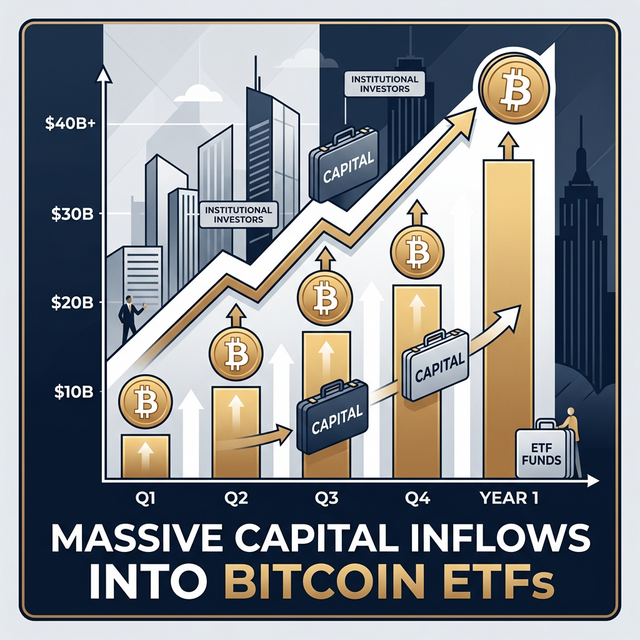
Institutional capital continues to pour into Bitcoin at a remarkable pace. According to the latest data tracked by Farside Investors, U.S. spot Bitcoin ETFs saw a combined net inflow of $225.2 million on March 3rd, 2026. The breakdown reveals a clear picture of where the smart money is headed:
| Bitcoin ETF | Net Flow |
|---|---|
| BlackRock IBIT | +$322.4M |
| Fidelity FBTC | -$89.3M |
| Valkyrie BRRR | +$11.6M |
| WisdomTree BTCW | +$8.7M |
| Grayscale GBTC | -$28.2M |
BlackRock's IBIT continues to dominate as the single largest driver of inflows, absorbing over $322 million in a single day. Fidelity's FBTC and Grayscale's GBTC saw outflows, but these were more than offset by the massive appetite from BlackRock's fund.
Ethereum ETFs Tell a Different Story
Meanwhile, U.S. spot Ethereum ETFs recorded a modest net outflow of $10.8 million on the same day:
| Ethereum ETF | Net Flow |
|---|---|
| BlackRock ETHA | +$41.9M |
| Fidelity FETH | -$66.7M |
| Grayscale ETHE | -$4.7M |
| Grayscale Mini ETH | +$18.7M |
The contrast between BTC and ETH fund flows is striking, but not surprising.
What the Data Tells Us
Looking at the broader trend, several patterns emerge from the flow data for U.S. spot Bitcoin and Ethereum ETFs.
Bitcoin ETFs maintain strong net inflows in most sessions. Even on days when outflows occur, the magnitude tends to be limited — reflecting enduring market confidence in Bitcoin's role as "digital gold" and a long-term store of value. BlackRock's IBIT and Fidelity's FBTC are consistently the primary drivers of capital movement, and their direction largely determines the overall net flow for the day.
Ethereum ETFs exhibit significantly higher volatility in fund flows. With few exceptions, Ethereum ETFs have faced persistent outflow pressure. This divergence likely stems from differing market perceptions: Bitcoin is increasingly viewed as a pure value store, while Ethereum is more closely tied to the smart contract and DeFi ecosystem. Its valuation is therefore more sensitive to network usage demand, tokenomics, and shifts in risk appetite.
Fund flows are tightly coupled with the macro environment. When risk appetite rises, capital tends to flow into both Bitcoin and Ethereum ETFs. But when defensive sentiment takes hold, money gravitates toward Bitcoin — and often exits Ethereum. This divergence is especially pronounced on volatile trading days.
Grayscale's legacy outflow pressure is easing. GBTC has been in a sustained outflow trend for historical reasons, but the pace has slowed considerably. Meanwhile, Grayscale's newer mini-trust products are absorbing some of that capital, suggesting growing investor demand for lower-barrier entry vehicles.
From a macro perspective, these ETF flows are more than just a sentiment barometer — they represent a critical channel through which traditional capital enters the crypto market. Sustained net inflows signal that fresh capital continues to arrive, which is a structurally positive indicator for long-term price trajectories. However, the short-term volatility in fund flows is a reminder that the crypto market remains in its formative stages, with investor structures and capital allocation patterns still evolving.
Stay Ahead of the Market with OneSwap
Whether the trend favors Bitcoin, Ethereum, or the next breakout asset, positioning yourself quickly and at the best rate is what separates informed investors from the rest. With institutional money pouring into crypto at this pace, every basis point matters.
OneSwap.ai is a non-custodial crypto exchange aggregator that uses AI to scan hundreds of liquidity sources in real time, ensuring you always get the best available rate — with zero KYC and zero custody risk.
Don't let inefficient exchanges eat into your returns. Start trading smarter with OneSwap today →